Quantity & price calculator
Your quantity
and an estimate.
Choose the stone, finish and installation method, then enter the area or length and a waste allowance. We work out the quantity to order, an estimated price and the number of pallets, then you send the order.
Start from a building like yours
Pick the villa or apartment building closest to your project and adjust its size. We estimate the stone for all four facades.
Exposed basement (sides)
Built-up area: 504 m² · Facade stone: ≈ 517 m²
A rough estimate: stone on all four facades, 3.2 m floor to floor, a 1 m roof parapet, windows and doors taken off, and only the exposed sides of a basement. Villas get 15% more facade for recesses and projections, and a roof floor is a set-back top floor of half the area. The exact quantity comes from the drawings.
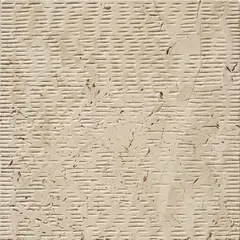
Selected stone: Ma’an · Musamsam (Stugged)
Installation
The stone is built with the wall: the courses are laid first and concrete is poured behind them, so the stone becomes part of the wall. It needs solid pieces cut for their place, quoins at every corner, jambs, lintels and sills at the windows and coping on the parapet, counted per linear metre on top of the wall stone.
Waste allowance
We suggest 5–10% depending on corners and openings.
Thickness
4 cm · Jordan
Traditional stone is always 4 cm thick.
Piece detailsFor engineers and contractors: the corners, windows and coping of traditional built-in stone. Estimated from the building; adjust as needed.
Corners
Each corner piece is one course high with two faces of about the same length, and counts as 1 linear metre of its course, in the same finish. Its faces are taken off the wall area.
A standard window, 2 m wide and 1.25 m high, and a standard door, 1.2 m wide and 2.2 m high. A door gets jambs and a lintel, no sill.
Each quoin or jamb piece is one course high and counts as 1 linear metre, and each linear metre of lintel counts as 3 linear metres of the same course, all in the same finish. Their faces are taken off the wall area. Coping 30 cm wide, sills 25 cm wide.
Price breakdown
- Wall stone
- 1,974 lm
- 10,860–16,780
- Quoins (corner pieces)
- 135 pcs
- 740–1,150
- Window corners (jambs)
- 252 pcs
- 1,390–2,140
- Window lintels (burtash)counts as 152 lm
- 51 lm
- 830–1,290
- Window sills
- 51 lm
- 280–430
- Door corners (jambs)
- 57 pcs
- 310–480
- Door lintels (burtash)counts as 12 lm
- 4 lm
- 60–100
- Roof coping (jubeh)
- 78 lm
- 510–790
An estimate for the stone only, without transport, and subject to change monthly or more often with quarry, fuel and transport costs and the wider economic situation. We confirm the final price and delivery date in a written quote.
Cornices, mullions (dastoor, the stone column dividing a wide window) and special stonework such as arches and balcony columns are not included. They are priced on top of this, to the design.
Send the orderHave drawings? Send them for an exact quantityOpens a message with your calculation. Attach your drawings or photos of the building in the chat and we work out the exact quantity.
Square or linear meter
We sell both ways.
Per square meter (m²)
For wall and facade cladding in random course heights, and for floors and interiors.
Per linear meter (lm)
For fixed-height courses, sills, window surrounds, cornices, corners and steps. Priced by the piece’s height.
Price per linear meter ≈ price per m² × course height in meters
Terms explained: jambs, lintels, coping, courses, traditional and cladding in the stone glossary
Quantity & price calculator
Questions
about the numbers.
How much stone does a villa need?
A two-storey family villa in Amman of 18 × 14 m needs about 500 m² of stone on its four facades after the windows and doors are taken off, about 700 m² with a roof floor, and a single-storey villa about 300–370 m². Pick the building closest to yours in the calculator and adjust its size for your own figure.
What is the difference between traditional and cladding in the calculation?
In traditional built-in stone the courses are laid first and concrete is poured behind them, so the stone needs thick pieces: quoins at every corner, jambs, lintels and sills at the windows, jambs and lintels at the doors, and coping on the parapet, all counted per linear metre on top of the wall stone. In cladding, slabs are fixed onto the finished wall with no special pieces, so only the wall stone is counted, with waste. The price per metre is the same; the total for cladding is about a fifth lower.
How are quoins, jambs and lintels counted?
Each quoin or jamb piece is one course high and counts as one linear metre: one per course up every outside corner and up each side of every window and door. Each linear metre of lintel counts as three linear metres of the same course. The faces of these pieces are taken off the wall area so nothing is counted twice. Coping is priced 30 cm wide and sills 25 cm wide.
Is the calculator’s price final?
No. It is an estimate for the stone only, without transport, and it changes monthly or more often with quarry, fuel and transport costs. The price that counts is the one in our written quote, after the quantity is taken off your drawings, for its validity period.
Is 3 cm stone cheaper than 4 cm?
The price per m² is the same. Thickness changes only the pallets and the weight: about 20 m² per pallet at 4 cm and 25 m² at 3 cm. 4 cm is the norm in Jordan for both methods and 3 cm is for cladding in the Gulf, which is why the calculator offers it with cladding only.
How do I send or share a calculation?
Everything you chose lives in the page’s link: the building and its size or your own area, the stone, finish, installation method and pieces. Copy the link and send it to anyone and the same calculation opens. The “Send the order” button opens WhatsApp with the full breakdown and the link; attach your drawings there and we take off the exact quantity.
Terms explained: jambs, lintels, coping, courses, traditional and cladding in the stone glossary
Samples are paid: a real piece of the stone and finish you choose.